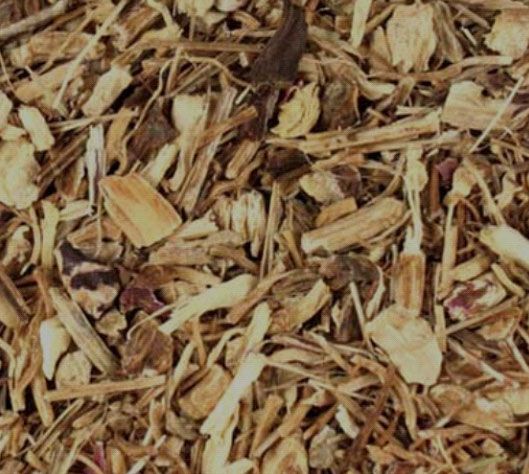
Echinacea Purpurea Root Cut & Sifted, Organic
$4.00
In stock: 13 available
Product Details
Brand: HerbCo
Echinacea root is one of the most widely used botanical remedies, valued for its rich concentration of alkamides, polysaccharides, and phenolic acids. While best known for immune system support, traditional and modern herbal use extends to respiratory wellness, inflammation balance, skin health, and overall resilience.
Traditional & Modern Herbal Benefits
Immune System Support Echinacea root is most commonly used to support immune function by stimulating white blood cell activity. Traditionally taken at the first sign of immune stress, it is used to help reduce the severity and duration of seasonal illness.
Respiratory & Upper Airway Support Historically used for sore throats, sinus discomfort, and upper respiratory irritation, echinacea root remains a popular herb for respiratory wellness formulas.
Anti-Inflammatory Support The alkamides found in echinacea root have been studied for their ability to influence inflammatory pathways, making the root traditionally useful for occasional joint discomfort, minor aches, and tooth or gum irritation.
Skin & Wound Support Echinacea root has a long history of external use. Applied topically or taken internally, it has been traditionally used to support the healing of minor wounds, boils, and skin irritations, as well as to promote overall skin clarity.
Antioxidant Activity The root contains naturally occurring antioxidants that help protect cells from oxidative stress and support long-term cellular health.
Emerging & Traditional Uses
- Traditionally used for microbial balance and infection support
- Historically applied in urinary and yeast-related formulas
- Early research suggests possible support for stress response and metabolic balance
Traditional Preparations
Echinacea root is commonly prepared as:
- Decoctions (long-simmered teas)
- Alcohol-based tinctures
- Capsules or powdered formulations
- Topical salves and washes
Herbalists traditionally recommend echinacea root for short-term or situational use, rather than continuous daily intake.
Important Use Notes
- Often used at the onset of immune stress
- Best suited for cyclical or acute support
- Not typically recommended for extended daily use
Important Information
For educational purposes only.
FDA Disclaimer: These statements have not been evaluated by the Food and Drug Administration (FDA). This product is not intended to diagnose, treat, cure, or prevent any disease.
Precautions: Consult a qualified healthcare professional before use if you are pregnant, nursing, taking medication, or have a medical condition. Individuals with autoimmune conditions or those using immunosuppressive therapies should seek professional guidance prior to use.
Echinacea Purpurea Root Cut & Sifted, Organic
